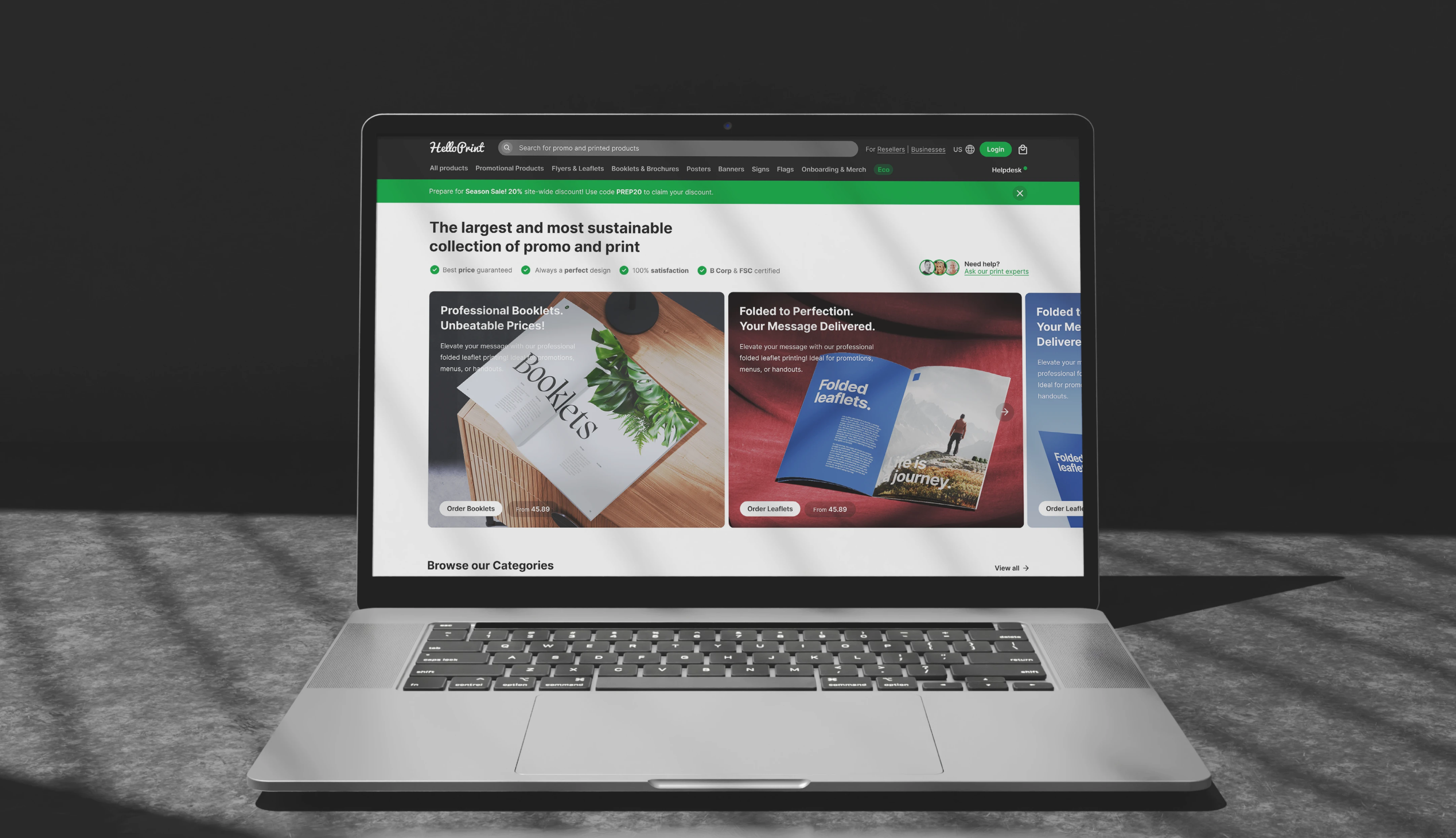
intro & Context
HelloPrint is a Netherlands-based e-commerce platform operating across 14 markets, serving over 1 million B2B and B2C customers with 100M+ product configurations and €90M+ in annual revenue.
Fast growth has defined HelloPrint over the past 14 years, over time, the main brand started to become fragmented and fractured, operating under multiple sub-brands and domains, HelloPrint, Drukzo and then Merch by HelloPrint, each with its own look, structure and siloed teams and disconnected platform.
This project was about bringing everything together. Not just visually, but structurally: brand, platform, front-end, and teams.

The Problem
"Our website looks old and outdated. It looks like it's from 2008." - Hans Scheffer, CEO
But the real problem went deeper than just the look and feel:
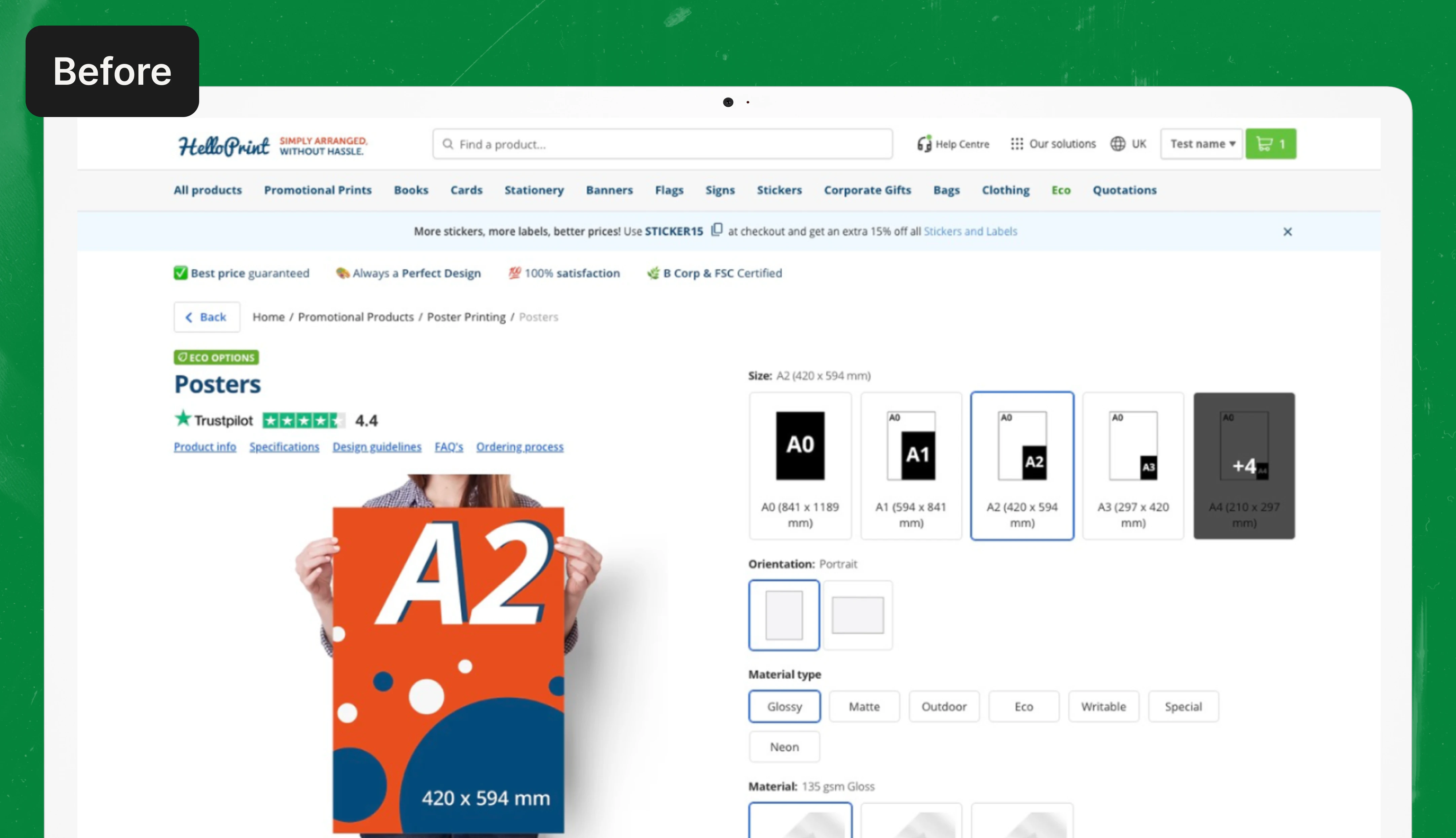
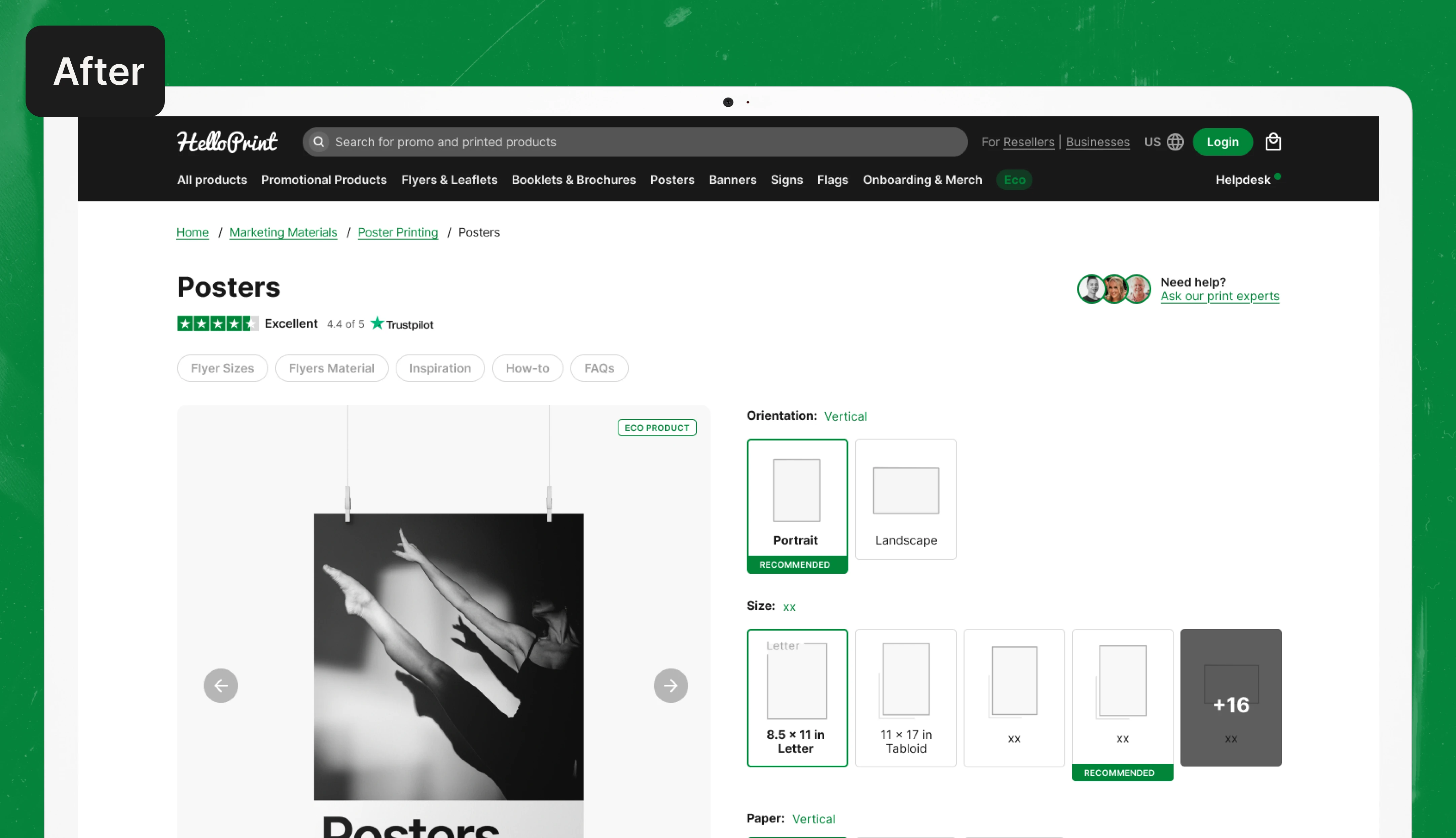
3 brands, 3 visual languages, 3 disconnected experiences
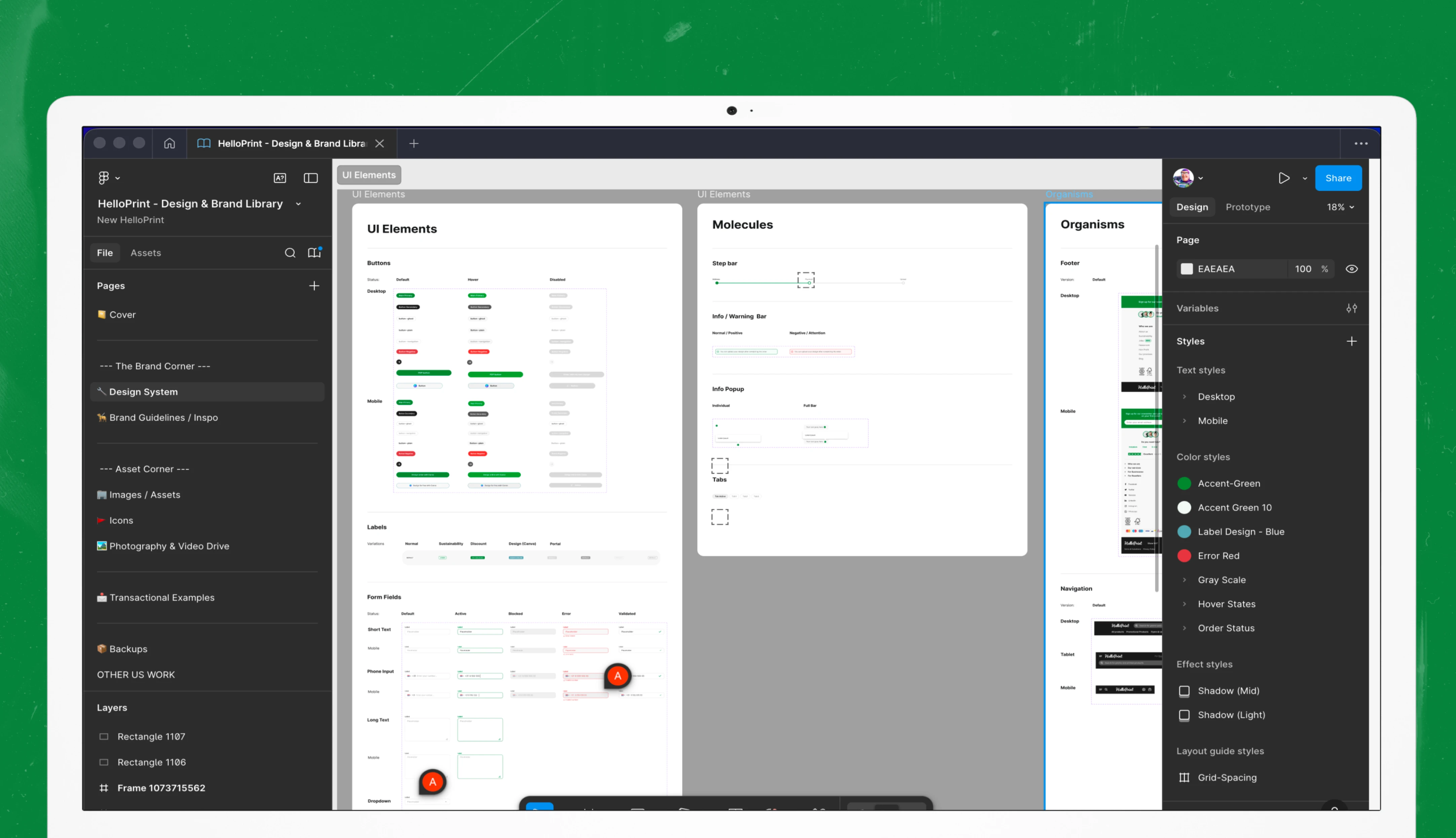
No design system, no component library
New features took 2+ weeks and required senior developers
Customer support was flagging brand confusion from customers
40% of users were on mobile and the experience was barely usable
Previous rebranding attempts had already failed
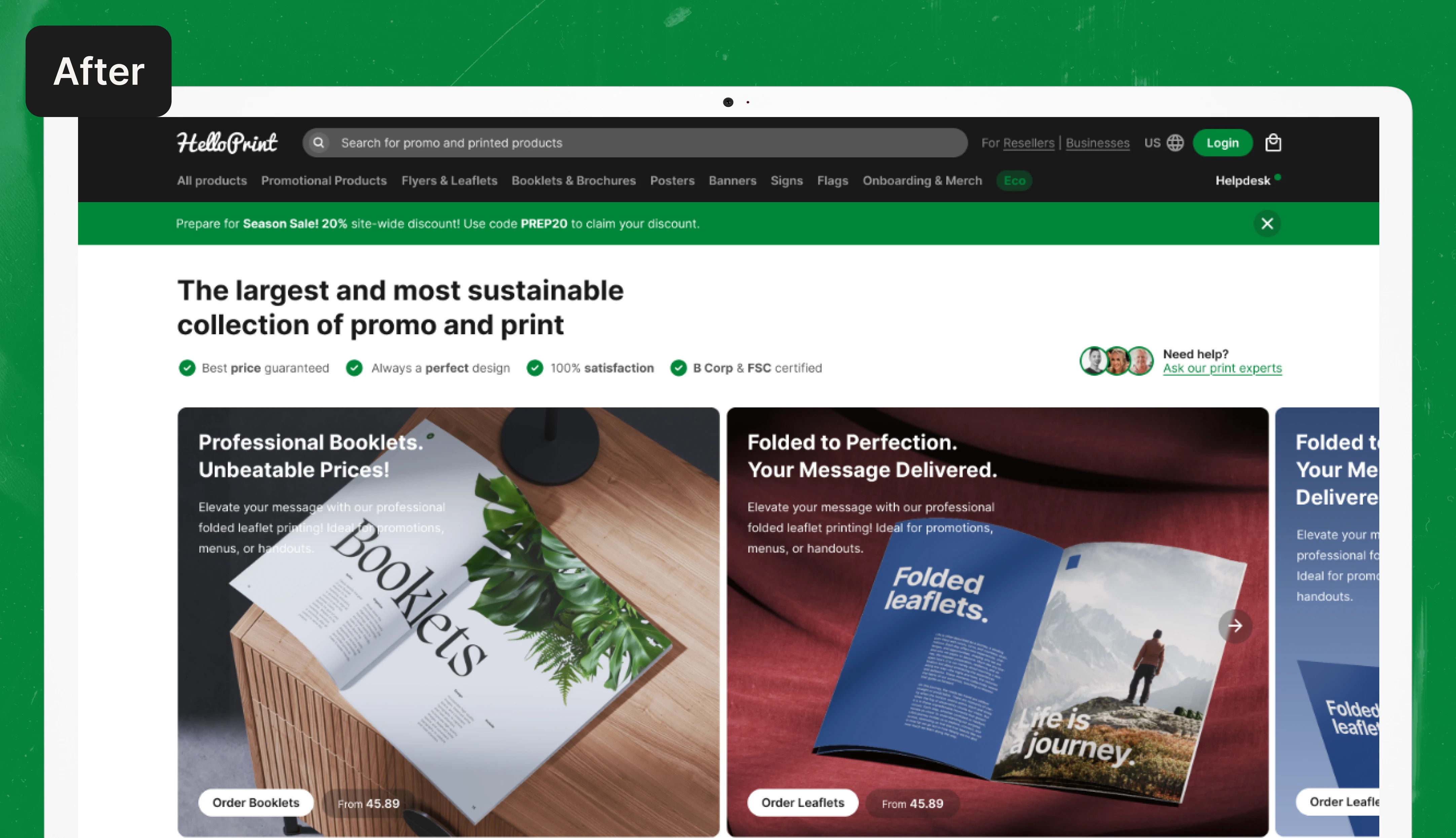
My role
I led the produt design for this project, from start to finish my role was simple "make it happen" :
Translated the creative direction into a scalable, dev-ready design system
Built the entire mobile experience from scratch
Created the component library, tokens, and documentation
Reduced CMS blocks from ~50 to ~15, giving content teams full autonomy
Brought design, product, marketing, business and CS teams into a shared language
Every decision went through one filter: is this scalable, dev-ready, and future-proof?
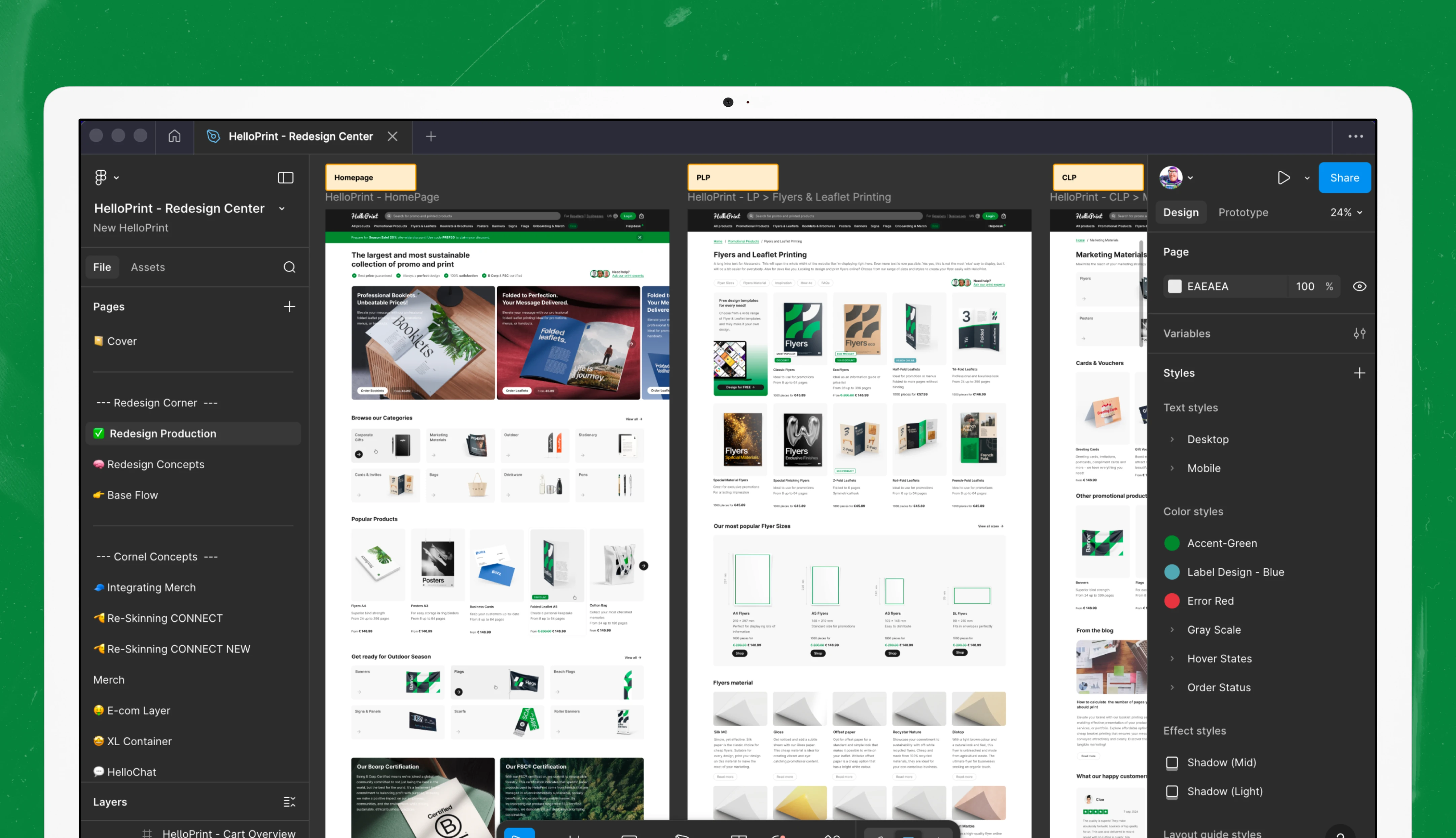
Constraints
This project ran while the business was at full speed.
We had to show progress on a weekly basis and there was very limited tolerance for risk, previous rebranding attempts had already damaged trust internally for these type of projects.
Some of the main constraints we were facing were:
Legacy frontend that couldn't be rewritten from scratch: everything had to be refactored incrementally, block by block, page by page
8 languages, 14 markets : every component had to work everywhere, no exceptions
No classic user testing before launch : instead we used a phased country rollout, starting with the smallest market, monitoring order volume, conversion rate and CS tickets before scaling to larger markets
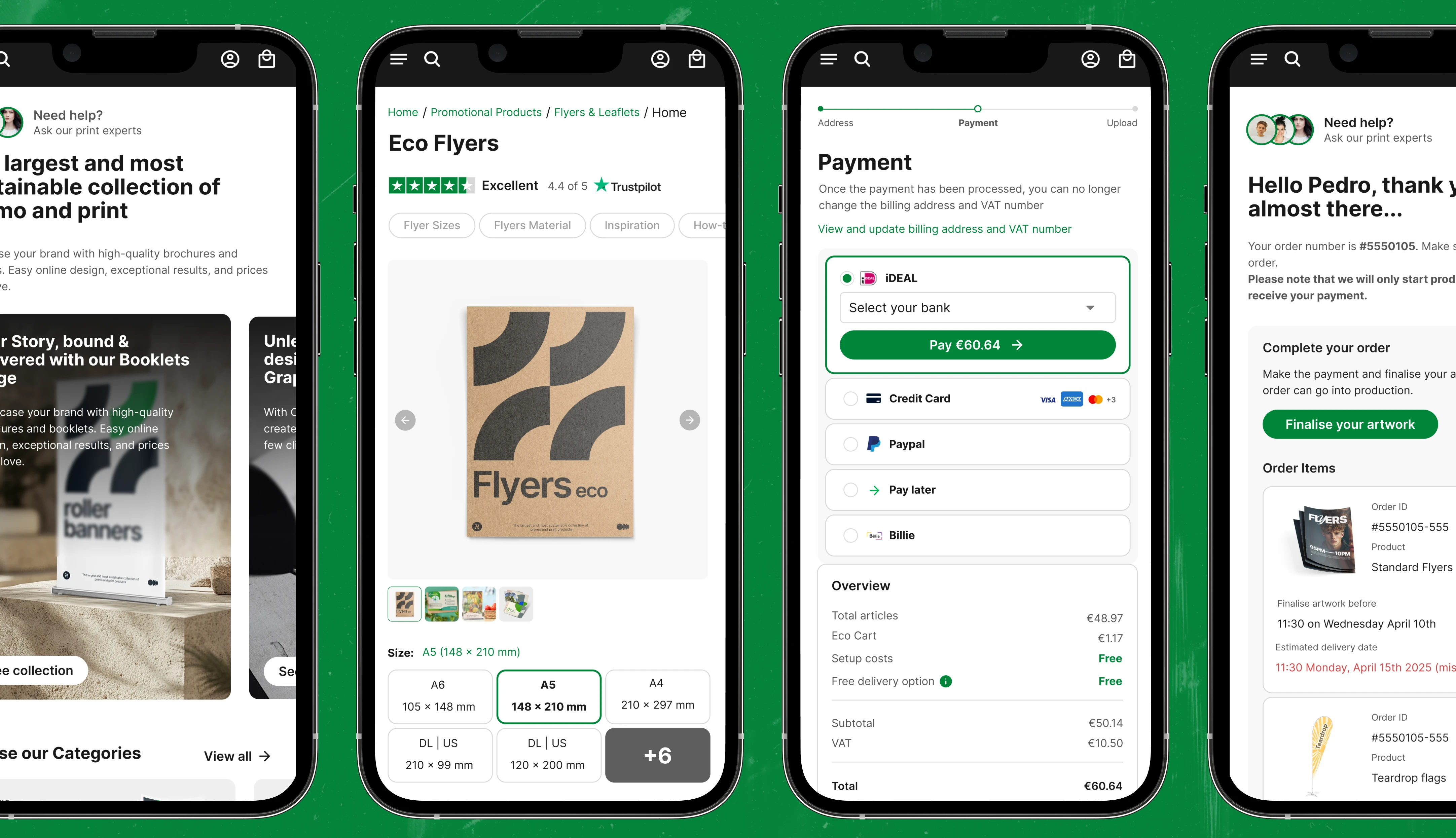
Tradeoffs
As a designer, something is really hard to leave our critical, pixel-perfectionist eye on the side, but for this project, the goal was simple : Speed over perfection, always. If the data held steady after a country launch, we kept shipping.
Other key tradeoffs we took during the project were:
The signup flow revealed major structural issues mid-project and became its own sub-project after launch
The checkout flow had clear problems once we started touching it so we made the deliberate call to postpone a deeper dive rather than risk delaying the full launch
Before & After
Impact
Real impact, real results, but also with some unspectected stepbacks.
Wins
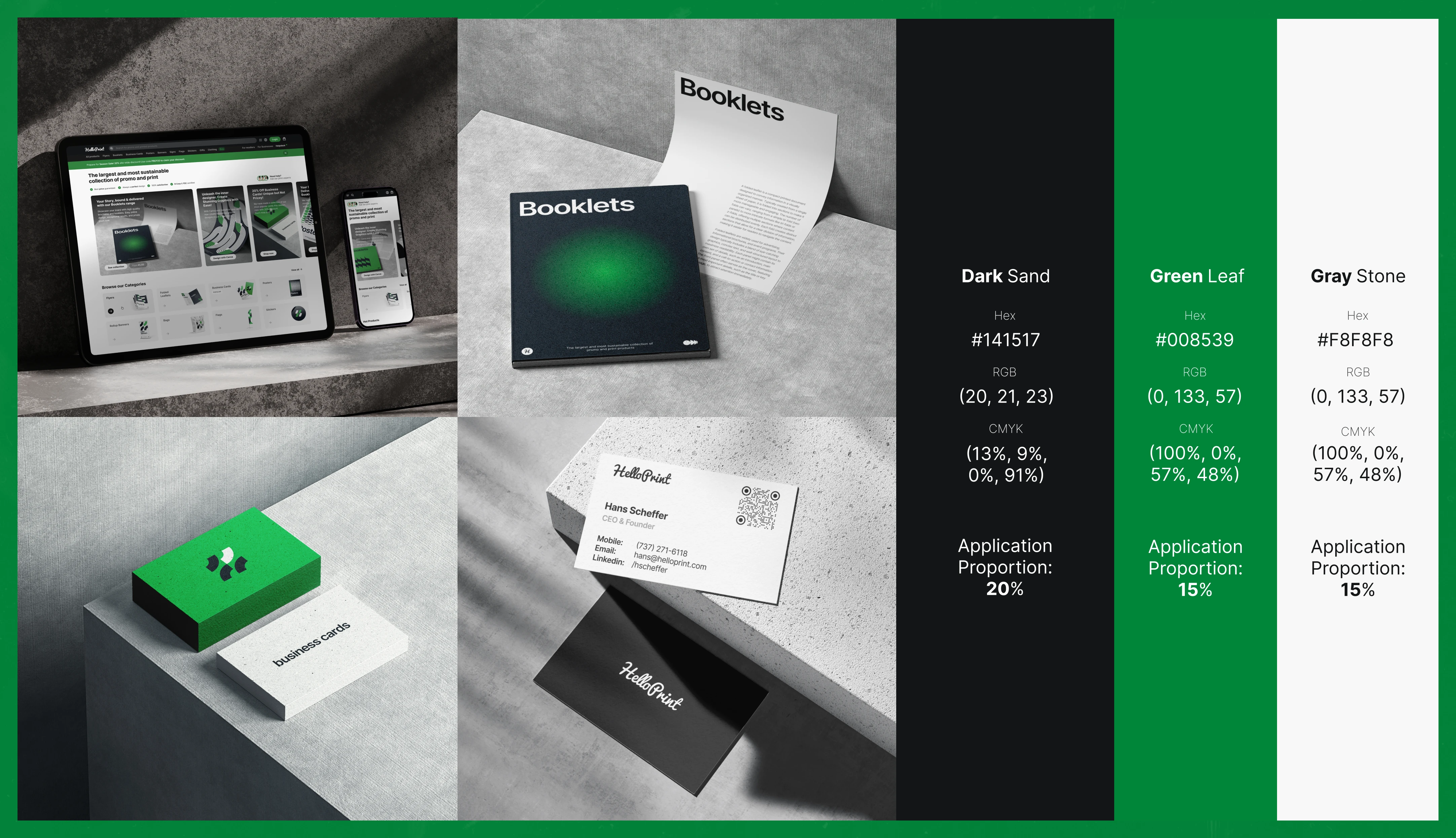
1 consistent brand across all shops and customer groups
Active time on site: from 43s to 1.30 minutes:
Pages per session: from 1.50 to 2.5
Dev time: Half the time & Resources to ship new features
1 future-proof design system and Thousands of lines of legacy code deleted.
CMS blocks: from 50 to 15 Marketing updates without engineering.
What broke
Dead clicks: from 9% to 23%
Quick backs: from 5.7% to 12.5%
Pages per session: from 1.50 to 2.5
Performance score: from 90 to 75
Page avg. load time from 2.5s to 3.5s
Organic traffic took a 5% hit
What I learned:
Design without data is just opinion. The dead click and quick back spikes post-launch were a wake-up call, the data told us exactly where users were struggling, and we listened.
What designing for business impact truly means. Every component, every decision had a downstream effect on dev time, marketing autonomy, and conversion.
How to ship fast without losing design integrity. Step by step mentality, in this case, block by block, country by country.
Design as a tool to connect teams. By the end, product, marketing, engineering and CS were working from the same system and language.
What I'd do differently:
Validate with users before building, not only after. We shipped to 14 markets before getting structured user feedback.
Prepare users for the change. Most markets woke up one day to a completely different website with no communication.
Spend the resources defining the success metrics before finishing, not discover them after launch.
See live website

Do you want to see more files / pages or learn more about what I did for this project?
Contact me
